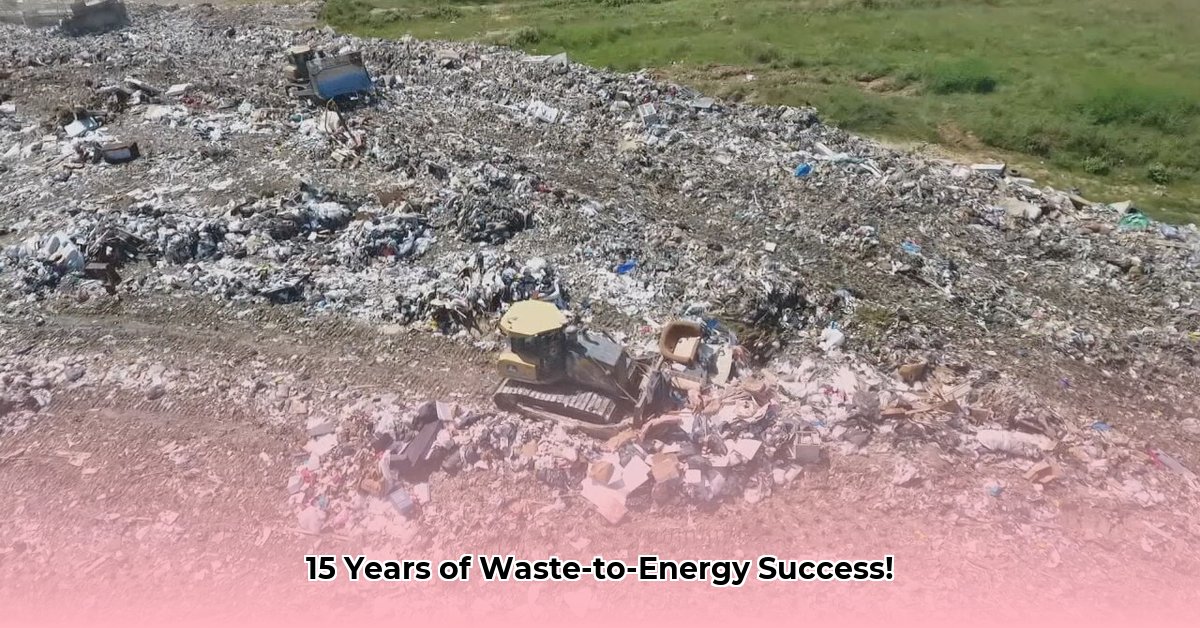
For fifteen years, the partnership between the City of Tulsa and Covanta Energy has redefined waste management, transforming trash into a valuable resource. This public-private collaboration has diverted millions of tons of waste from landfills, generated significant clean energy, and spurred economic growth. But, like any large-scale endeavor, it also presents challenges that require ongoing attention and innovative solutions.
A Decade and a Half of Sustainable Practices
Since its inception, Covanta Energy Tulsa has diverted a remarkable 9.5 million tons of waste from landfills – a feat representing a significant reduction in environmental impact. This impressive figure contributes to Covanta's nationwide effort to process approximately 20 million tons of waste annually. How has this massive waste diversion impacted Tulsa's environmental footprint? The answer is multifaceted, reaching beyond simply decreased landfill use.
Clean Energy Generation: Powering Tulsa’s Future
Beyond waste reduction, the Covanta Energy Tulsa facility is a significant contributor to the city's clean energy supply. The plant produces nearly 50 billion pounds of steam each year, powering numerous commercial businesses. Furthermore, it generates over 130,000 megawatt-hours (MWh) of clean electricity annually – a substantial contribution to reducing reliance on fossil fuels. This energy generation represents a cleaner, more sustainable alternative to traditional power sources. Isn't it remarkable how waste can be repurposed to create clean energy?
Resource Recovery: Closing the Loop on Waste
The benefits of the Covanta Energy Tulsa facility extend beyond energy production. The plant has recovered and recycled over 200,000 tons of metal. This efficient resource recovery exemplifies the principles of a circular economy—transforming waste into valuable materials. Covanta's national efforts in metal recovery are equally significant, highlighting the potential to fully harness the economic and environmental benefits of resource reuse. What innovative strategies can further enhance resource recovery from waste streams?
Addressing the Challenges: Transparency and Ongoing Research
While the environmental and economic advantages of the Covanta facility are clear, it's crucial to acknowledge the ongoing challenges. The long-term environmental impact of ash management remains a key area of ongoing research. While the ash is currently used as landfill cover, there is a need to further investigate its potential long-term effects on the environment. Similarly, a comprehensive analysis of greenhouse gas emissions throughout the entire waste-to-energy process, from waste transportation to combustion, is necessary for a thorough environmental impact assessment.
Economic Impact and Regional Significance
The Covanta Energy Tulsa plant has a positive influence on the local economy, creating jobs and attracting businesses committed to sustainability. While precise job creation data isn't publicly available, this facility's presence significantly enhances and strengthens regional economic development. As the only waste-to-energy facility in an eight-state region, it has a considerable influence on regional waste management and economic growth.
Planning for the Future: A Collaborative Approach
The long-term success of the Covanta Energy Tulsa partnership depends on collaborative efforts and a commitment to improvement. The following table outlines short-term and long-term goals for key stakeholders:
| Stakeholder | Short-Term Actions | Long-Term Actions |
|---|---|---|
| City of Tulsa | Enhance waste sorting and recycling programs to maximize waste diversion. | Invest in advanced waste management technologies and infrastructure upgrades. |
| Covanta | Optimize operational efficiency and implement cutting-edge technologies. | Invest in research and development to minimize emissions and enhance energy efficiency. |
| Commercial Customers | Secure reliable long-term steam supply agreements. | Increase utilization of renewable energy sources within their operations and supply chains. |
| Environmental Groups | Closely monitor ash management practices and greenhouse gas emissions. | Advocate for enhanced transparency and support comprehensive lifecycle assessments of the process. |
This collaborative strategy aims to address current challenges and ensure the long-term sustainability of this initiative. How can ongoing research and collaboration further enhance environmental stewardship and economic growth?
Key Takeaways: A Sustainable Path Forward
- Covanta Energy Tulsa has significantly reduced landfill waste and greenhouse gas emissions.
- The facility generates considerable clean energy for the region.
- Resource recovery efforts have successfully repurposed waste materials.
- Ongoing research is vital to fully understand and address the challenges of ash management and greenhouse gas emissions.
- Collaborative efforts among stakeholders are key to optimizing this model for long-term success.
This partnership underscores the potential for sustainable waste management practices. By fostering transparency, prioritizing research, and embracing collaboration, Covanta Energy Tulsa demonstrates a path toward a greener and more efficient future.